
shell
ผู้เยี่ยมชม
benducket3211@gmail.com
Are Smart Boards Transforming Modern Education and Business Communication Systems? (247 อ่าน)
22 พ.ค. 2569 03:04
Smart boards are advanced interactive display systems that have changed the way education, business communication, and training sessions are conducted in the modern digital era. A smart board combines touchscreen technology, interactive software, and multimedia capabilities to create an engaging and collaborative environment for users. These smart boards are widely used in classrooms, corporate meeting rooms, training centers, and even government institutions where real-time interaction and digital presentations are essential.
The growing demand for smart boards is driven by the need for more effective communication tools that go beyond traditional whiteboards and projectors. A smart board allows users to write, draw, present, and interact with digital content directly on the screen. This makes learning and presentations more dynamic, visually appealing, and easier to understand. With the rise of smart classrooms and digital workplaces, smart boards have become an essential tool for modern interaction and collaboration.
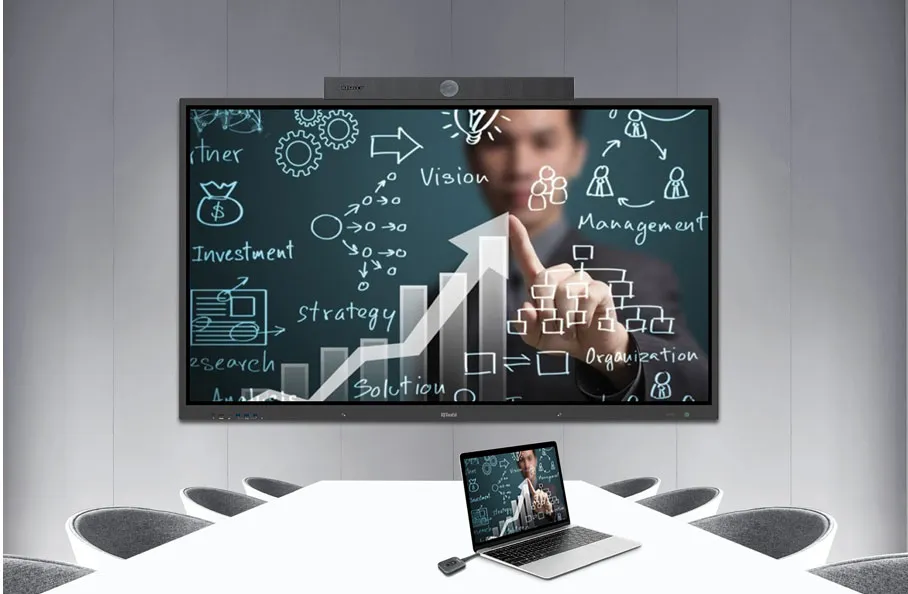
Can Smart Boards Improve Interactive Learning and Workplace Communication
smart boards play a major role in improving interactive learning experiences in educational institutions. In modern classrooms, teachers use smart boards to display lessons, videos, diagrams, and interactive exercises that help students understand complex topics more effectively. Unlike traditional teaching methods, smart boards encourage active participation, allowing students to engage directly with the content on the screen.
Smart boards also enhance collaboration between students. Group activities, problem-solving tasks, and interactive discussions become more effective when supported by digital learning tools. Students can visually see concepts come to life, which improves comprehension and retention of knowledge. This makes smart boards an essential part of smart classroom technology in schools, colleges, and universities.
In corporate environments, smart boards improve workplace communication by enabling interactive meetings and presentations. Employees can share ideas, annotate documents, and collaborate in real time during meetings. This leads to more productive discussions and faster decision-making processes. Smart boards also support remote collaboration, making them ideal for hybrid work environments where teams are distributed across different locations.
Training sessions and workshops also benefit greatly from smart boards. Trainers can use multimedia content, live demonstrations, and interactive modules to deliver more engaging sessions. This improves learning outcomes and ensures that participants retain information more effectively.
Smart boards are also widely used in healthcare, hospitality, and retail industries. Hospitals use them for patient information displays and training sessions, while hotels and retail stores use them for digital signage and customer engagement. The versatility of smart boards makes them suitable for almost every industry that relies on communication and information sharing.
Which Smart Board Technologies Deliver Better Performance in Modern Environments
Modern smart boards come with advanced technologies designed to improve performance, usability, and user experience. One of the most important features of smart boards is their interactive touch functionality. Multi-touch support allows multiple users to interact with the screen at the same time, making collaboration more effective in classrooms and meeting rooms.
High-definition display quality is another key feature of smart boards. Full HD and 4K resolution screens provide clear and sharp visuals, ensuring that content is easily visible even in large rooms. This is particularly important in educational and corporate environments where detailed presentations are required.
Smart boards also offer wireless connectivity options that allow seamless integration with laptops, tablets, and smartphones. This eliminates the need for cables and makes it easier to share content during presentations or lessons. Wireless screen sharing improves workflow efficiency and enhances user convenience.
Cloud integration is another advanced feature of smart boards that supports modern digital collaboration. Users can save notes, presentations, and documents directly to cloud storage, making them accessible from anywhere at any time. This feature is especially useful for educational institutions and businesses that rely on remote access and digital learning platforms.
Built-in software applications further enhance the functionality of smart boards. These applications include digital whiteboards, annotation tools, presentation software, and educational resources. Many smart boards also support third-party applications, allowing users to customize their experience according to specific needs.
Audio and video integration is also an important aspect of smart board technology. Built-in speakers and microphones support video conferencing, online classes, and virtual meetings. This makes smart boards a complete communication solution for both physical and virtual environments.
Durability and long-term reliability are essential factors when choosing smart boards. These devices are designed for continuous daily use and are built with strong materials that ensure long-lasting performance. This makes them a cost-effective investment for schools, businesses, and institutions.
Conclusion Smart Boards Role in Future Digital Communication and Learning Systems
Smart boards have become a powerful tool in modern education and business communication systems. Their ability to combine interactive technology, multimedia content, and real-time collaboration makes them essential for improving productivity and engagement. From smart classrooms to corporate meeting rooms, smart boards are transforming the way people learn, teach, and communicate.
As technology continues to evolve, smart boards are expected to become even more advanced with artificial intelligence, cloud computing, and enhanced connectivity features. These improvements will further strengthen their role in digital transformation across industries.
43.242.176.130
shell
ผู้เยี่ยมชม
benducket3211@gmail.com
Mark Anderson
ผู้เยี่ยมชม
dogijem240@anawebs.com
1 มิ.ย. 2569 18:44 #1
Absolutely, smart boards are revolutionizing both education and business communication by turning passive experiences into dynamic, interactive, and collaborative sessions that cater to diverse learning and working styles. This technological shift reminds me of how thebest book writers Canada has produced — such as Margaret Atwood, Malcolm Gladwell, and Alice Munrohave always found innovative ways to communicate complex ideas and engage their audiences, proving that great communication, whether digital or literary, is all about connection and clarity. Just as these celebrated Canadian authors transformed the way we absorb knowledge through storytelling, smart boards are doing the same in classrooms and boardrooms by making information more visual, engaging, and impactful for everyone involved.
119.73.96.81
Mark Anderson
ผู้เยี่ยมชม
dogijem240@anawebs.com
certsforce
ผู้เยี่ยมชม
kivan90644@capiena.com
12 มิ.ย. 2569 12:34 #2
I am incredibly proud to announce that I have successfully passed the Generative AI Leader certification exam with brilliant marks, thanks to the comprehensive preparation materials on the CertsForce.com platform. The platform's targeted focus on masterfully aligning generative models with corporate objectives, establishing robust ethical AI governance frameworks, scaling secure large language model (LLM) architectures, and driving cross-functional organizational change provided the exact strategic depth and leadership confidence I needed to ace the exam. I highly recommend CertsForce to any fellow students seeking a reliable and highly effective study resource to guarantee their passing success in the demanding world of cutting-edge artificial intelligence deployment, technological innovation strategy, and enterprise digital transformation.
Achieve more, spend less:https://www.certsforce.com/google/exam/generative-ai-leader
137.59.225.206
certsforce
ผู้เยี่ยมชม
kivan90644@capiena.com