
shell
ผู้เยี่ยมชม
benducket3211@gmail.com
Can a Social Media Monitoring Tool Improve Your Brand’s Online Performance? (96 อ่าน)
23 ส.ค. 2569 17:38
Social media has become a central part of modern communication, marketing, and customer engagement. People constantly share opinions, ask questions, review products, recommend businesses, and discuss brands across digital platforms. For businesses, these conversations can provide valuable insights, but manually tracking them across multiple channels can be difficult and time-consuming. A social media monitoring tool helps businesses organize and monitor relevant online activity so they can better understand their audience and improve their digital strategy.
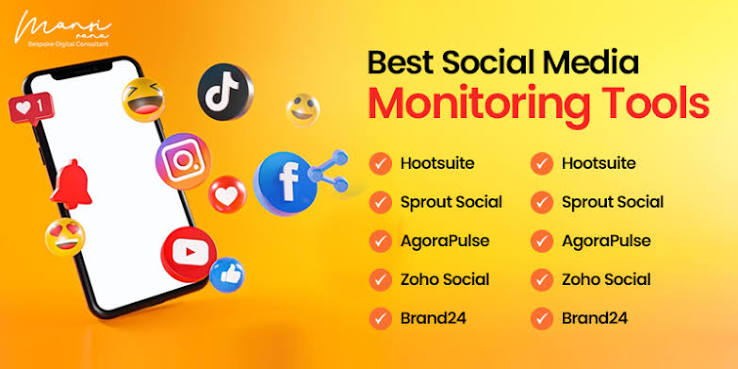
Social media monitoring is more than checking notifications or measuring the number of likes on a post. It involves tracking brand mentions, keywords, hashtags, customer conversations, engagement, and other relevant online activity. By collecting this information in a structured way, businesses can identify important conversations and respond to opportunities or concerns more efficiently.
A reliable social media monitoring tool can support brand awareness, reputation management, customer service, content marketing, competitor research, and audience analysis. When businesses understand what people are discussing online, they can make more informed decisions and create communication that is more relevant to their target audience.
Social Media Monitoring Tool for Brand Visibility
Brand visibility is an important factor in digital marketing. A business may be mentioned online even when customers do not directly tag its official social media account. This makes continuous monitoring valuable for organizations that want to understand their overall online presence.
A social media monitoring tool can track relevant brand names, product names, campaign terms, keywords, and hashtags. This gives businesses a broader view of conversations that may be difficult to discover through standard social media dashboards.
Brand mention tracking can reveal important changes in online activity. For example, a sudden increase in mentions may occur because of a successful marketing campaign, a popular product, a customer discussion, or an unexpected issue. Monitoring these changes can help businesses understand the reasons behind increased attention and decide whether a response is appropriate.
Social media analytics can also provide valuable information about audience engagement. Businesses can review patterns in interactions and identify the types of conversations that attract attention. These insights can support future content planning and help marketers create more relevant social media campaigns.
Online visibility is not only about being mentioned frequently. Context matters as well. A high number of mentions may not always represent positive brand awareness. Monitoring tools help businesses examine conversations more carefully and understand the broader meaning behind their online presence.
Audience Engagement and Customer Feedback
Customer expectations have changed significantly with the growth of social media. Many customers expect businesses to respond quickly to questions, concerns, and feedback. A social media monitoring tool can help companies identify relevant conversations and provide more timely customer engagement.
Customer feedback can be a valuable source of business intelligence. People often discuss their experiences with products and services openly online. These conversations can reveal common questions, frustrations, preferences, and areas where businesses are performing well.
Monitoring customer conversations can help businesses recognize recurring issues. If several customers mention the same problem, the business may have an opportunity to improve its product, service, communication, or support process. Positive feedback can also reveal features and experiences that customers value.
Social media monitoring can support customer service teams by making relevant discussions easier to find. Instead of relying entirely on customers to contact a company directly, businesses can identify public conversations where assistance may be appropriate.
However, effective engagement requires more than simply responding quickly. Businesses should consider the context of each conversation and provide helpful, professional responses. Authentic communication can strengthen customer trust, while overly automated or promotional replies may have the opposite effect.
A consistent monitoring strategy can therefore help companies develop stronger relationships with their audiences. By paying attention to real customer conversations, businesses can better understand expectations and improve their overall customer experience.
Reputation Management and Social Media Analytics
Online reputation can influence how potential customers view a business. Reviews, social posts, community discussions, and recommendations can all contribute to public perception. A social media monitoring tool gives businesses greater visibility into these conversations and can support proactive reputation management.
Sentiment analysis is commonly included in advanced social media monitoring software. It can help categorize conversations according to their general tone, such as positive, neutral, or negative. Although automated sentiment analysis may not always understand sarcasm, context, or complex language correctly, it can still help identify broad patterns that deserve further review.
Reputation monitoring can be especially useful when a company notices a sudden increase in negative discussions. Rather than ignoring the issue, businesses can investigate the underlying concerns and determine whether a response is necessary.
Positive sentiment can be equally important. If customers consistently praise a particular product feature, service, or campaign, businesses can use that information to strengthen future marketing communication.
Social media analytics also allows companies to examine engagement patterns over time. Understanding how audiences respond to different campaigns can help marketing teams improve future strategies. When monitoring data is combined with other analytics, businesses can develop a more complete understanding of their digital performance.
Reputation management should always prioritize transparency and respectful communication. Monitoring technology provides information, but businesses still need human judgment to decide how to respond to sensitive or complex situations.
Competitive Research and Content Strategy
A social media monitoring tool can also provide valuable insights into competitors and broader industry conversations. Customers often compare brands, discuss alternative products, and share opinions about different companies. Monitoring these discussions can help businesses understand market expectations.
Competitive monitoring should focus on learning rather than copying. By observing customer conversations about competitors, businesses may discover common complaints, desired features, service expectations, or emerging industry trends.
These insights can also influence content marketing. Questions and discussions found through social media can become ideas for blog articles, videos, guides, and educational resources. When content addresses topics that customers are already discussing, it is more likely to be relevant and useful.
Trend monitoring can further support content planning. Social conversations can change rapidly, and emerging topics may become popular within a short period. Businesses that monitor relevant industry discussions can identify potential topics early and decide whether they fit their marketing strategy.
Social media intelligence can therefore connect audience research with content creation. Instead of guessing which subjects customers want to explore, marketers can use real conversations as a source of inspiration.
For long-term growth, businesses should combine social monitoring with search engine optimization, content marketing, customer feedback, and other digital strategies. Monitoring provides valuable information, but the strongest results come from turning that information into useful actions.
Conclusion
A social media monitoring tool can help businesses gain a clearer understanding of their online presence, customers, competitors, and industry conversations. By tracking brand mentions, keywords, hashtags, customer feedback, engagement, and sentiment, companies can make more informed decisions about their digital marketing strategies.
Effective social media monitoring is not simply about collecting data. It is about listening to audiences, understanding context, identifying patterns, and using insights to improve communication and customer experiences. Brand awareness, reputation management, customer service, competitive research, and content marketing can all benefit from a well-planned monitoring strategy.
As digital conversations continue to influence purchasing decisions and brand perception, businesses need reliable ways to stay informed. A professional social media monitoring tool can provide the visibility needed to recognize opportunities, address concerns, and understand audience expectations.
43.242.176.24
shell
ผู้เยี่ยมชม
benducket3211@gmail.com