
shell
ผู้เยี่ยมชม
benducket3211@gmail.com
Can Autoperformance60 Become a Key Search for Automotive Performance Enthusiasts? (6 อ่าน)
12 ก.ย. 2569 00:29
The automotive industry has become one of the most dynamic areas of modern technology, combining mechanical engineering, digital systems, advanced materials, and intelligent vehicle controls. Car owners are increasingly interested in more than basic transportation. They want to understand engine performance, vehicle handling, maintenance, fuel efficiency, aftermarket components, and the technologies that can improve the overall driving experience. Within this growing interest, autoperformance60 is a distinctive search term that can be explored in the wider context of automotive performance and vehicle optimization.
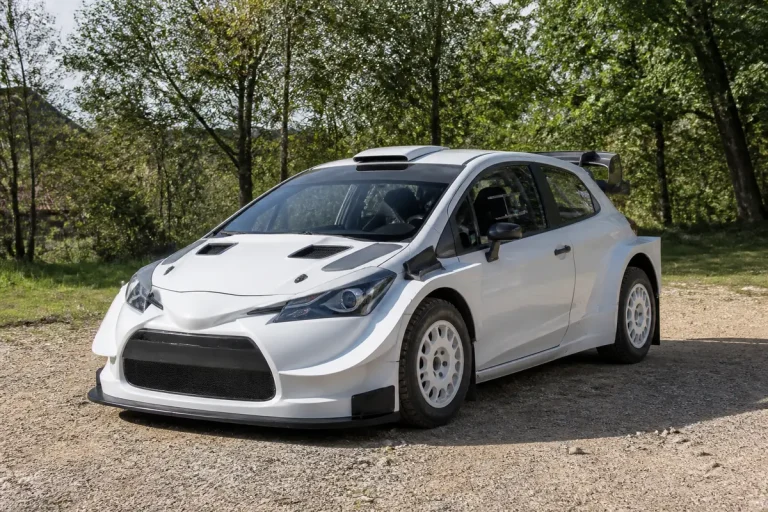
Automotive performance is a broad subject that covers engine power, torque delivery, acceleration, braking, suspension, steering, traction, tires, exhaust systems, cooling, and electronic control systems. Modern vehicles are designed as integrated systems, meaning that changes to one component can influence the behavior of several others. This makes a balanced approach particularly important for drivers who are interested in performance upgrades.
The subject surrounding autoperformance60 can also be connected with popular automotive search terms such as car performance upgrades, engine tuning, ECU tuning, performance suspension, high-performance tires, brake upgrades, aftermarket car parts, automotive diagnostics, vehicle maintenance, and performance optimization. Exploring these related areas can help enthusiasts develop a broader understanding of modern automotive engineering.
Autoperformance60 and Automotive Performance
The concept associated with en savoir plus fits naturally into the wider discussion of vehicle performance. Automotive performance refers to the ability of a vehicle to deliver responsive acceleration, predictable handling, effective braking, strong traction, and dependable operation. Although horsepower is often used to describe performance, it is only one part of the complete picture.
Modern engines have become increasingly sophisticated. Technologies such as turbocharging, direct fuel injection, variable valve timing, electronic throttle control, and computerized engine management allow manufacturers to achieve a strong combination of power and efficiency. These systems are carefully calibrated to work together, which means modifications should be approached with an understanding of the original vehicle design.
Engine tuning remains popular among automotive enthusiasts. ECU tuning can adjust certain engine parameters to change power delivery, throttle response, or other operating characteristics. However, professional calibration is important because an unsuitable tune can negatively affect fuel economy, emissions, engine temperatures, and long-term reliability. Performance tuning should therefore be considered together with the condition of the engine and the supporting hardware.
Air intake and exhaust systems are also common areas of interest. An engine requires suitable airflow for combustion, while an exhaust system removes combustion gases. Aftermarket intake and exhaust components can alter engine response and sound, but their effectiveness varies between vehicles. Selecting components based on compatibility and engineering requirements is generally more valuable than relying solely on performance claims.
Car Upgrades and Driving Control
Performance does not stop at the engine. Suspension, tires, steering, wheels, and brakes have a major influence on the way a car behaves. This is particularly relevant for anyone searching for autoperformance60 and related information about vehicle handling and automotive upgrades.
Suspension systems control body movement and help maintain contact between the tires and road surface. Springs, dampers, bushings, stabilizer components, and wheel alignment settings can influence steering response, cornering stability, ride comfort, and overall control. Performance suspension upgrades can create a sharper driving experience, but the correct setup depends on whether a vehicle is primarily used for commuting, long-distance travel, spirited driving, or controlled motorsport environments.
Tires are another critical part of vehicle performance. They determine the amount of grip available during acceleration, cornering, and braking. High-performance tires can provide improved steering response and road holding, but the correct choice depends on climate, road conditions, vehicle specifications, tire size, and intended use.
Braking capability is equally important. Increasing engine output without considering stopping performance can create an unbalanced vehicle. Brake pads, rotors, calipers, fluid, and related components should be maintained appropriately. Drivers considering performance modifications should treat braking as a fundamental part of the vehicle rather than simply an additional upgrade.
Vehicle weight and aerodynamics can also influence performance. Lower unnecessary weight can affect acceleration, braking, and handling, while aerodynamic design can influence stability and efficiency. These modifications require careful planning because an improvement intended for one type of driving may not necessarily provide the same benefit in everyday conditions.
Maintenance and Automotive Technology
A strong maintenance routine is the foundation of reliable automotive performance. Before introducing major aftermarket modifications, vehicle owners should ensure that the engine, transmission, cooling system, brakes, tires, and suspension are functioning correctly. A performance part cannot compensate for worn mechanical components.
For readers researching autoperformance60, maintenance topics can provide valuable complementary information. Engine oil, coolant, filters, spark plugs, transmission fluid, belts, hoses, and brake fluid all contribute to dependable vehicle operation. Appropriate servicing can help maintain factory performance and reduce the likelihood of unexpected mechanical problems.
Modern automotive diagnostics have made maintenance more precise. Vehicles now contain numerous sensors and electronic control modules that monitor engine operation, emissions, transmission behavior, stability systems, and other functions. Diagnostic scanners allow technicians to retrieve fault information and investigate problems that may not be immediately visible.
Digital monitoring has also become popular among automotive enthusiasts. Modern diagnostic equipment and vehicle monitoring systems can provide information about temperatures, system conditions, fault codes, and selected engine parameters. Such information can help identify potential problems and evaluate changes after maintenance or modifications.
Software has become another major part of automotive performance. Electronic throttle control, traction management, stability control, adaptive suspension, automatic transmissions, and engine management systems depend on software to coordinate vehicle functions. As automotive technology develops, understanding both mechanical and electronic systems is becoming increasingly valuable.
Future Automotive Performance
The future of automotive performance is being influenced by hybrid vehicles, electric powertrains, advanced batteries, lightweight materials, and increasingly sophisticated software. These technologies are changing traditional ideas about vehicle performance and creating new opportunities for engineers and enthusiasts.
Electric motors can provide immediate torque delivery, producing a distinctive acceleration experience. Hybrid systems combine electric assistance with conventional engines, creating new approaches to efficiency and performance. Battery thermal management, regenerative braking, electronic power control, and software optimization are becoming increasingly important in modern vehicle development.
Lightweight construction is another important area. Manufacturers are using advanced materials and improved engineering methods to reduce vehicle mass while maintaining structural strength. Lower weight can improve efficiency and may also contribute to acceleration, braking, and handling characteristics.
Aerodynamic development is similarly important. Modern performance vehicles are designed to manage airflow around the body to improve efficiency, stability, and road behavior. As vehicles become more electronically controlled, aerodynamic systems and active vehicle technologies may become even more sophisticated.
For people interested in autoperformance60, these developments demonstrate that automotive performance is no longer limited to traditional engine modifications. Modern performance combines powertrain engineering, software, electronics, tires, suspension, aerodynamics, thermal management, and intelligent control systems.
The most effective approach to improving a vehicle is based on its intended purpose. A daily driver may benefit from dependable maintenance and carefully selected upgrades, while a dedicated performance vehicle may require more specialized equipment. Understanding the vehicle's needs before purchasing aftermarket components can help avoid unnecessary modifications and expenses.
Conclusion
Autoperformance60 can be explored within the broader automotive performance industry, where enthusiasts and drivers are interested in engine tuning, vehicle handling, performance upgrades, maintenance, diagnostics, braking systems, tires, and emerging automotive technologies. The growing complexity of modern vehicles makes it increasingly important to understand how these individual systems work together.
True automotive performance is about balance rather than a single specification. Engine power needs appropriate traction, braking, suspension, cooling, and drivetrain support. Regular maintenance provides the foundation for dependable operation, while carefully selected upgrades can enhance the characteristics that matter most to a particular driver.
43.242.176.93
shell
ผู้เยี่ยมชม
benducket3211@gmail.com