
shell
ผู้เยี่ยมชม
benducket3211@gmail.com
Can Braces Help You Achieve a Straighter and Healthier Smile? (4 อ่าน)
30 ก.ย. 2569 22:01
Braces are one of the most established and widely used orthodontic treatments for improving the alignment of teeth and correcting certain bite problems. People with crowded teeth, gaps, crooked teeth, overbites, underbites, or other alignment concerns may consider braces as part of a personalized orthodontic treatment plan. Modern braces are available in different designs, making orthodontic care more comfortable, practical, and suitable for a wider range of patients.
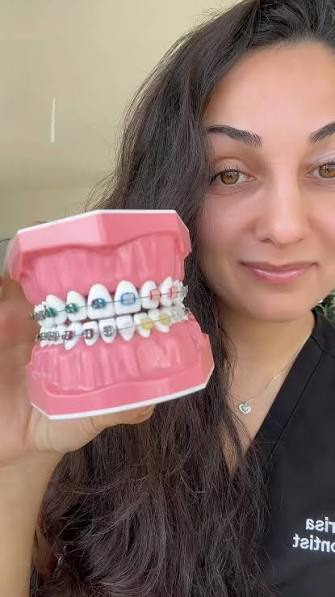
A straighter smile can improve more than appearance. Properly aligned teeth can be easier to clean, while correcting certain bite issues may support better chewing and overall dental function. For children, teenagers, and adults, an orthodontic evaluation can determine whether braces are an appropriate treatment option.
Traditional braces use brackets and wires to apply controlled pressure to the teeth. Over time, this pressure gradually guides the teeth toward improved positions. The exact treatment process depends on the patient's dental condition, age, bite, and treatment goals. Because every smile is different, an orthodontist creates a treatment plan based on individual needs rather than using the same approach for everyone.
Braces and Modern Orthodontic Treatment
Braces work by applying gentle and controlled forces that gradually move teeth. Small brackets are attached to the teeth, and an orthodontic wire connects the brackets. The orthodontist periodically adjusts the appliance so that the teeth continue moving according to the treatment plan.
Traditional metal braces remain a popular choice because they can address a wide range of orthodontic concerns. Modern designs are generally smaller and more comfortable than many older styles of braces. For patients who are concerned about appearance, there are also less noticeable alternatives, including ceramic braces and clear aligner treatments such as Invisalign.
An orthodontic consultation is an important first step before beginning braces treatment. During the consultation, the orthodontist examines the teeth and evaluates the bite. Digital scans, photographs, or dental X-rays may be used when necessary to develop a detailed understanding of the patient's dental structure.
Braces may be recommended for several alignment concerns. Crowded teeth occur when there is not enough space for teeth to sit correctly within the dental arch. Gaps or spacing can create noticeable spaces between teeth. Bite concerns such as overbite, underbite, and crossbite can also sometimes be addressed through orthodontic treatment.
The duration of braces treatment varies from patient to patient. Some straightforward cases may require a shorter treatment period, while more complex orthodontic concerns may take longer. Regular orthodontic appointments are important because they allow the orthodontist to monitor tooth movement and make necessary adjustments.
Braces Treatment and Everyday Comfort
Starting braces can require a short adjustment period. Patients may initially notice pressure or mild discomfort as their teeth begin responding to orthodontic forces. This sensation generally changes as the mouth becomes accustomed to the braces. The orthodontic team can provide appropriate guidance for managing normal treatment-related discomfort.
Oral hygiene becomes especially important during braces treatment. Food particles can collect around brackets and wires, making careful brushing and flossing essential. Maintaining clean teeth and healthy gums can help reduce the risk of plaque buildup and dental problems during orthodontic treatment.
Patients with braces may also need to be more mindful of certain foods. Hard or sticky foods can damage orthodontic components, potentially causing brackets or wires to become loose. Following the orthodontist's dietary and care instructions can help keep treatment progressing smoothly.
Regular appointments are another important part of successful braces treatment. During these visits, the orthodontist checks the movement of the teeth and makes adjustments when necessary. These appointments also provide an opportunity to discuss any discomfort, broken brackets, or other concerns.
For adults, braces can be a practical option even if orthodontic treatment was not completed during childhood. Adult orthodontics has become increasingly common, and treatment can be planned around professional, social, and personal lifestyles. Ceramic braces and clear aligners may also be considered when appearance is an important factor.
Types of Braces and Treatment Choices
Traditional metal braces are often selected for their versatility and ability to treat many orthodontic conditions. They consist of metal brackets and wires and can be suitable for patients with mild to complex alignment concerns.
Ceramic braces work using a similar basic principle but use tooth-colored or clear brackets that can appear less noticeable. They may be attractive to teenagers and adults who want a more discreet fixed orthodontic appliance.
Clear aligners provide another option for suitable patients. Invisalign uses a series of removable, transparent aligners to gradually guide teeth into planned positions. Because clear aligners and braces work differently, an orthodontist must assess the patient's condition before determining which option is appropriate.
The choice between braces and Invisalign depends on several factors, including the complexity of tooth movement, bite concerns, patient preferences, treatment goals, and professional assessment. Some cases may be better suited to traditional braces, while others may be successfully managed with clear aligners.
The cost of braces can also differ depending on the type of appliance, complexity of treatment, treatment duration, and location of the orthodontic clinic. Patients should discuss the complete treatment cost during their orthodontic consultation rather than relying on a general online estimate.
Braces and Long-Term Smile Care
Completing braces treatment is an important milestone, but maintaining the results is also essential. After active orthodontic treatment, patients are commonly provided with retainers. Retainers help support the teeth in their new positions and can reduce the chance of unwanted movement over time.
Good oral hygiene should continue after braces are removed. Regular brushing, flossing, professional dental checkups, and appropriate retainer care all contribute to maintaining a healthy and attractive smile.
Orthodontic treatment can provide both cosmetic and functional benefits when appropriately planned. Straighter teeth may make certain areas easier to clean, while improved bite alignment can support more comfortable dental function in suitable cases.
The success of braces treatment also depends on patient cooperation. Attending scheduled appointments, following oral hygiene recommendations, caring for orthodontic appliances, and wearing retainers as instructed can all contribute to maintaining treatment results.
For anyone considering orthodontic treatment, a professional consultation provides the most reliable way to understand individual options. An orthodontist can examine the teeth, explain suitable treatments, and develop a personalized plan based on the patient's needs.
Conclusion
Braces remain a reliable orthodontic treatment for improving tooth alignment and addressing many common bite concerns. With modern designs and different treatment options available, patients can receive orthodontic care that is tailored to their dental condition and personal preferences.
Whether the goal is to correct crowded teeth, close gaps, improve crooked teeth, or address certain bite problems, braces can play an important role in creating a more aligned smile. Proper oral hygiene, regular orthodontic appointments, and following professional instructions are essential throughout the treatment process.
43.242.176.55
shell
ผู้เยี่ยมชม
benducket3211@gmail.com